When a child starts showing signs of being a bit of a “different” kid—maybe they stare at the ceiling instead of the board, or they’re fascinated by the way the light changes color—parents and teachers often wonder: is this just a quirky personality, or could it be something more? The answer lies in a process that blends science, empathy, and a dash of patience: autism diagnosis and school psychologist assessment. This article walks through the steps, what to expect, and how to turn a potentially confusing journey into a clear, actionable plan.
Why the School Psychologist?
School psychologists are the unsung heroes who bridge the gap between medical diagnosis and classroom reality. They’re trained to spot patterns, run standardized tests, and create individualized plans that keep every child’s learning experience on track.
The Role of the School Psychologist in Assessment
- Observation: Watching how a student interacts during class and recess. Standardized Testing: Administering tools that measure cognitive, academic, and social skills. Collaboration: Working with teachers, parents, and medical professionals to gather a holistic view.
The psychologist’s report becomes the foundation for accommodations, special education services, and, most importantly, a roadmap that respects the child’s unique strengths and challenges.
The Diagnostic Journey: From First Concern to Final Report
The process can feel like navigating a maze, but breaking it down helps.
Step 1: Initial Observation
A teacher might notice a student’s difficulty following verbal instructions or an unusual reaction to sensory stimuli. The first question: Is this a temporary phase or a deeper issue?
Step 2: Parent‑Teacher Conference
During this meeting, parents share home observations while teachers discuss classroom behaviors. Together, they decide whether a formal evaluation is warranted.
Step 3: Comprehensive Assessment
This is where the school psychologist assessment shines. The psychologist will:
- Administer cognitive and academic tests to gauge strengths and gaps. Conduct interviews with the child, parents, and teachers. Observe the child in multiple settings (classroom, playground, counseling).
The goal is not just to label but to understand how the child learns and interacts.
Step 4: The Report and Recommendations
After compiling data, the psychologist writes a detailed report. This document includes:
- A summary of findings. Suggested accommodations (e.g., visual schedules, extra time on tests). Recommendations for a 504 plan or an IEP if needed.
Parents and teachers receive copies, ensuring everyone is on the same page.
What Parents Should Expect
It’s easy to feel overwhelmed, but knowing what to anticipate can ease anxiety.
The Timeline
- Initial Consultation: 1–2 weeks. Assessment Period: 4–6 weeks. Report Delivery: 2–4 weeks after assessment completion.
The Emotional Rollercoaster
- Excitement: Finally having a name for the challenges. Relief: Knowing there’s a plan. Skepticism: Questioning if the assessment captured the full picture.
A helpful quote from Dr. Temple Grandin reminds us: “When I’m in the presence of someone who is very different from me, I am always fascinated and I want to learn about them.” Her words underscore the importance of understanding, not just diagnosing.
Practical Tips
- Keep a behavior log for a few weeks before the assessment. Bring school records (grades, attendance) to the psychologist’s office. Prepare a list of questions—don’t leave the room with doubts.
Common Misconceptions About Autism Diagnosis
It’s tempting to jump to conclusions, but clarity helps prevent misinformation.
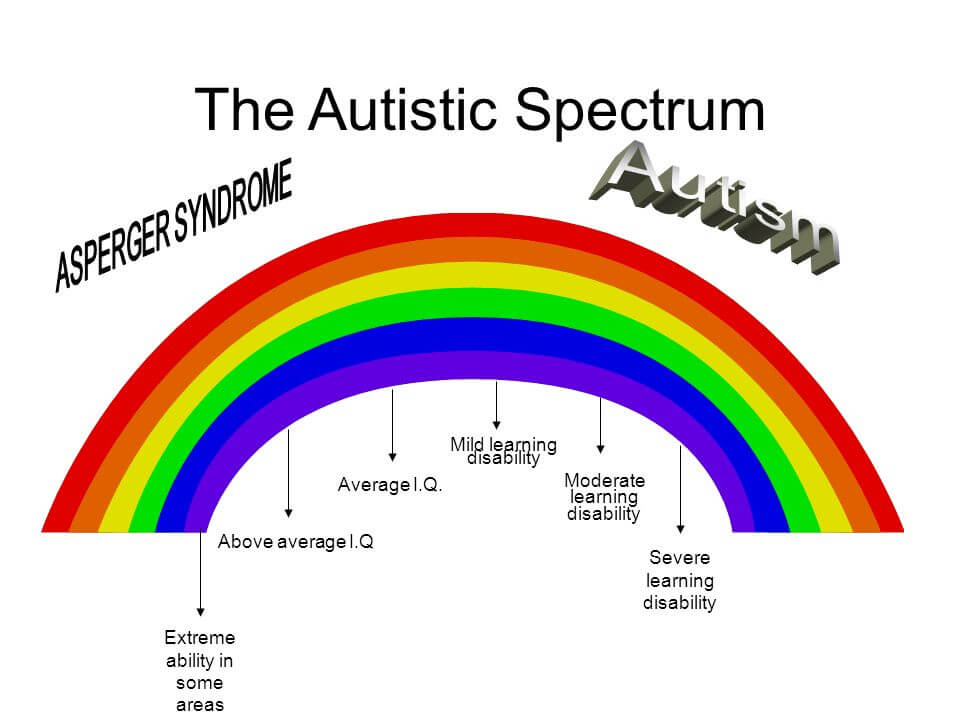
Myth 1: “Autism is a single, uniform condition.”
Reality: Autism spectrum disorder (ASD) is, as the name implies, a spectrum. Each child’s profile is distinct.
Myth 2: “Only parents can identify autism.”
While parents often spot early signs, teachers and school psychologists provide critical, objective insights.
Myth 3: “Once diagnosed, there’s nothing more to do.”
On the contrary, diagnosis is the first step in a lifelong journey of support and growth.
The Power of Early Intervention
Imagine a plant that needs the right soil and water to thrive. Likewise, children with ASD benefit most when interventions start early.
Benefits of Prompt Assessment
- Academic Gains: Tailored strategies improve reading, math, and writing skills. Social Skills: Structured social stories and peer‑mediated activities foster friendships. Self‑Advocacy: Teaching the child to understand and communicate their needs builds confidence.
Research consistently shows that early, comprehensive support leads to better long‑term outcomes.
A Light‑Hearted Anecdote
During a school psychologist assessment, a 7‑year‑old named Maya asked, “Do you think I’m a superhero?” The psychologist laughed and replied, “Absolutely, but even superheroes need a cape that fits.” Maya’s “cape” turned out to be a visual schedule—an invisible but powerful tool that helped her navigate the day with confidence. This simple exchange reminds us that assessment can be a collaborative, empowering experience.
Practical Steps for Teachers
Teachers are on the front lines, so their role in the assessment process is pivotal.
- Document Specific Behaviors: Note instances of repetitive actions, sensory sensitivities, or communication challenges. Use Observation Checklists: Structured tools reduce bias and provide measurable data. Collaborate with the School Psychologist: Share insights and ask for guidance on accommodations.
By being proactive, teachers help ensure the assessment captures a true picture of the student’s needs.
Frequently Asked Questions
How long does a school psychologist assessment take? Typically 4–6 weeks, including observation and testing. Is the assessment free? Many schools cover the cost as part of the special education process. Can a diagnosis change over time? Yes—children grow, and their needs evolve, so periodic reassessment is common.Making Your Selection Count
Once the assessment report arrives, the next step is to translate findings into action.
Building an Individualized Plan
- Visual Supports: Timelines, picture schedules, and color‑coded materials. Sensory Breaks: Quiet corners or fidget tools to help regulate attention. Peer Interaction: Structured playdates or buddy systems.
Engaging the Whole Team
Parents, teachers, and school psychologists must collaborate. Regular meetings keep everyone aligned and allow adjustments as the child progresses.
Empowering the Child
Teach self‑advocacy skills early. A child who knows their strengths and challenges can navigate school—and life—with greater confidence.
Final Thoughts: Turning Insight into Action
Autism diagnosis and school psychologist assessment are not just bureaucratic steps; they’re gateways to personalized support that respects each child’s individuality. By understanding the process, debunking myths, and working collaboratively, parents and educators can turn a potentially intimidating journey into a hopeful, empowering partnership.
If you’re a parent read more noticing early signs or a teacher looking to support a student, start by scheduling a conversation with your school psychologist. Remember, the goal isn’t just to label https://jsbin.com/sifunedise but to illuminate a path that lets every child shine in their own unique way.